
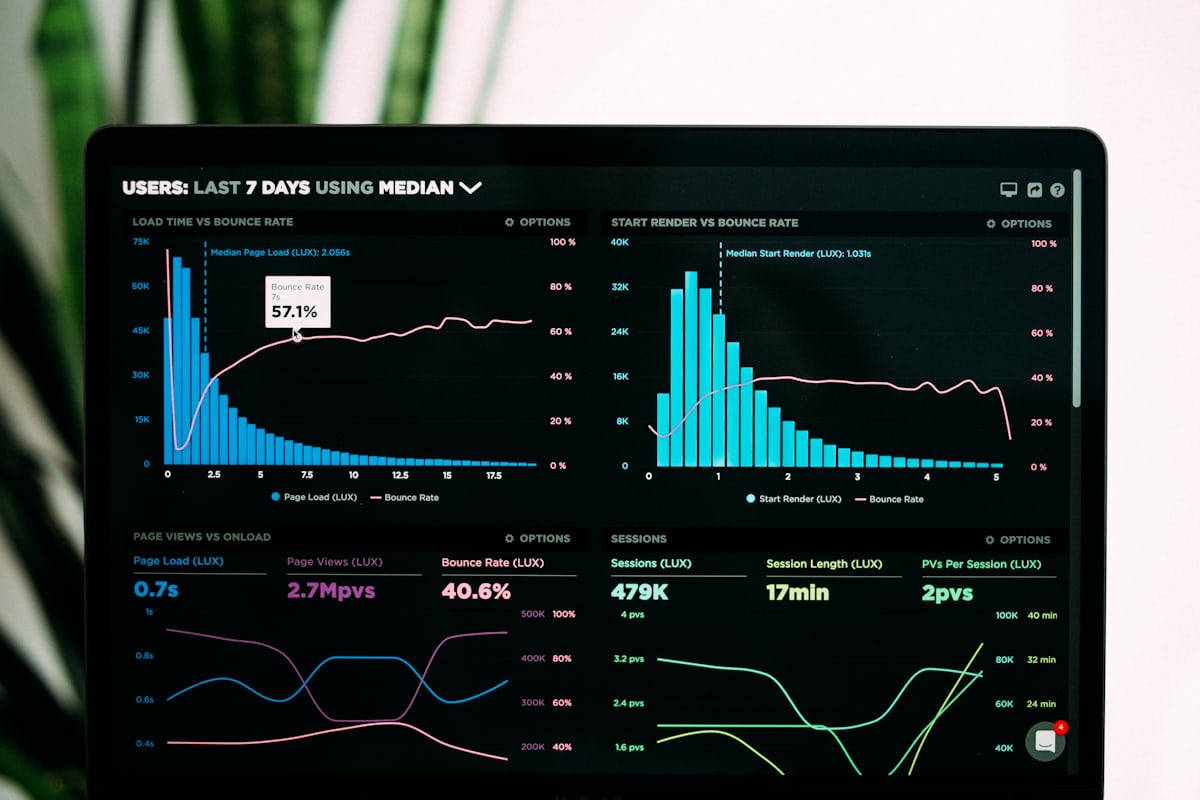
Once you've put real time, effort, and budget into SEO, the natural next question is whether any of it is actually working. Unlike paid ads or an email campaign, where results show up almost immediately, SEO plays out over a longer stretch of time, and its impact isn't always obvious from a quick glance at a dashboard.
That doesn't mean measuring SEO has to be guesswork, though. There's a defined, trackable way to know whether your efforts are paying off — you just need to be watching the right signals and know how to interpret them. This guide walks through the metrics that genuinely indicate progress, beyond simple pageview counts.
Why Measuring SEO Performance Actually Matters
A lot of teams still treat SEO as a checklist item — publish a post, tweak a meta tag, move on. Without a real framework for tracking performance, there's no way to know what's genuinely working and what's quietly wasting time and budget.
Measuring the right way lets you double down on the strategies that are paying off, catch problems before they snowball into bigger ranking losses, and make a clear case for ROI to leadership or clients. In short, metrics keep your SEO sharp and accountable. When an organization understands how to measure this properly, it also tends to pull marketing, product, and sales into better alignment — because the goal stops being "more traffic" and starts being "more qualified traffic that actually converts."
1. Organic Traffic: The Clearest Growth Signal
The most immediate sign that SEO is working is growth in organic traffic — visitors arriving through unpaid search results. Google Analytics, alongside tools like Ahrefs and SEMrush, makes this straightforward to track.
Worth checking: total organic search users, which landing pages are pulling the most organic visits, and how traffic trends month over month or quarter over quarter. But raw volume only tells part of the story. Breaking traffic down by search engine source, geography, and device type gives a much clearer picture of where your SEO work is genuinely landing and where it needs adjustment.
If you're starting from scratch on measurement, this is the natural first stop — rising organic traffic is one of the clearest signs that your content is aligning with what people are actually searching for. And comparing trends over a six- to twelve-month window shows how content updates, new backlinks, or technical fixes have moved the needle over time.
2. Keyword Rankings: Visibility Where It Counts
Page one is where almost everything happens — more than 70% of all clicks go to the first five organic results. That alone makes keyword tracking a core part of any SEO measurement plan.
Google Search Console (free), Ahrefs, and SEMrush all handle this well. Track where your core keywords currently rank, which new keywords you're starting to pick up, and which ones are sliding and need attention.
Rankings move around constantly due to algorithm updates, competitor activity, and search personalization. Watching daily fluctuations is a fast track to frustration — weekly or monthly trends tell the real story.
— Nepras Technologies SEO TeamIt also helps to bucket keywords by type: brand terms, product or service terms, and informational long-tail queries. Tracking these buckets separately shows how performance is shifting on both the branding and conversion sides, and reveals how well your content is matching searcher intent across the full buyer journey, from early awareness through to decision.
3. Bounce Rate and Time on Page: What Engagement Reveals
Getting someone to land on your site is the easy part. Getting them to stay is where engagement metrics like bounce rate and average time on page become genuinely useful — they reflect whether your content is actually holding attention.
A high bounce rate often points to slow load times, poor mobile usability, misleading meta descriptions, or simply weak content. Longer time on page, by contrast, usually signals that the content has real depth and is genuinely readable and relevant.
Track this through Google Analytics' behavior and content reports, filtered to organic traffic specifically. Layering in scroll depth, click-through data, or heatmap tools like Hotjar or Crazy Egg adds a more granular view of what people are actually doing once they land.
Engagement data answers a question raw traffic numbers can't: are you genuinely connecting with your audience, or just collecting views? Folding these insights into your broader measurement approach leads to sharper content and UX decisions over time.
4. Organic Conversion Rate: Where Traffic Becomes Revenue
Traffic and rankings are useful signals, but conversions are what actually grow the business. This is the metric that ties SEO directly to real-world outcomes.
Track actions like contact form submissions, resource downloads, completed purchases, and email sign-ups. GA4's Goals and Events make this measurable, and segmenting by traffic source lets you compare how organic performs against paid or direct channels.
Here's a simple illustration: a blog post built around a long-tail keyword pulls 2,000 visits a month. Even a modest 2% conversion rate on a lead magnet produces 40 warm leads monthly from a single piece of content. That's the compounding value content-driven SEO can produce. Skipping conversion tracking means missing the part of the picture that actually matters to revenue — it's what turns SEO from a traffic exercise into a genuine growth driver.
5. User Journey Mapping: Seeing SEO Across the Funnel
It's tempting to focus entirely on the final conversion — a sign-up or a sale — but SEO rarely works as a single click-and-done interaction. Most users touch several pages before converting, which is exactly why mapping the journey gives a more complete view of SEO's real impact.
Start by defining the stages a typical user moves through — awareness, consideration, decision — and map your content to each one. A blog post might handle the introduction, a comparison page supports consideration, and a product page closes the loop. Watching how users move between these stages reveals what's actually driving them forward at each step.
Google Analytics' Behavior Flow and GA4's Path Exploration are built for exactly this kind of tracking. Segmenting by organic traffic isolates SEO-driven paths specifically, showing how often a blog post leads to a product page visit, or how frequently an FAQ resolves into a contact form submission.
For anyone trying to see SEO's impact beyond raw traffic numbers, journey mapping connects scattered metrics into one coherent, goal-oriented picture — and shows clearly how SEO supports the broader funnel rather than working in isolation.
6. Backlinks: Still a Core Authority Signal
Google treats backlinks as votes of confidence — the more credible sites linking to you, the more authoritative your site appears. But not every backlink carries equal weight.
| Metric | Why It Matters |
|---|---|
| New Referring Domains | Shows growth across unique, distinct sources rather than repeat links |
| Domain Authority / Rating | Indicates how much influence the linking site actually carries |
| Anchor Text Relevance | Reflects how naturally and contextually the link is placed |
| Backlink Velocity | Tracks the pace of link growth over time, flagging unnatural spikes |
Ahrefs, Moz, and Majestic all make this trackable. Earning quality backlinks from relevant, authoritative sites is a strong signal that your content holds genuine value — and it boosts reach and visibility well beyond rankings alone. In competitive markets especially, backlinks remain a key differentiator. Pairing backlink data with content performance lets you focus future link-building effort on pages that are already ranking, maximizing the return on that work.
7. Indexed Pages and Crawl Errors: The Technical Foundation
Even exceptional content won't rank if Google can't crawl or read it properly. That makes crawl stats and index coverage a background requirement worth checking regularly.
Worth watching: how many pages Search Console reports as crawled, any crawl errors or blocked pages from robots.txt or noindex tags, duplicate content issues, and broken internal links. This is exactly where to look when troubleshooting SEO performance from a technical angle.
A sudden spike in crawl errors, or a sharp drop in crawled pages, is an early warning sign worth acting on before it shows up as a ranking decline. Regular technical audits for these issues protect long-term visibility and keep the user experience intact.
8. Core Web Vitals and Page Experience
User experience is now a formal ranking factor through Google's Page Experience update. Core Web Vitals measure three things specifically: loading speed (Largest Contentful Paint), interactivity (now measured via Interaction to Next Paint), and visual stability (Cumulative Layout Shift).
Track these through Search Console's Core Web Vitals report, PageSpeed Insights, or Lighthouse audits inside Chrome DevTools. Improving these scores doesn't just support rankings — it tends to lift conversion rates and overall user satisfaction too.
Technical UX factors like these have become a genuine differentiator. Watching them alongside user behavior data shows precisely where design choices are affecting discoverability and retention. Speed and stability now sit alongside keywords and content as core ranking considerations, not afterthoughts.
9. Branded Search Volume: A Quiet but Telling Signal
Branded search volume — people searching for your company or product by name — is a subtle but meaningful indicator of SEO success. It suggests your brand is becoming recognized and trusted, often as a result of consistent visibility in search results over time.
If your content ranks well for informational queries and users subsequently start searching for your brand by name, that's a strong signal your SEO is working on more than just one query — you've made a lasting impression, not just answered a question.
Track branded searches through Search Console's Performance report, filtered to branded terms, or via Ahrefs and SEMrush with similar filters applied. Rising branded search trends often line up with strong-performing content, earned backlinks, or positive press coverage. It isn't a direct ranking factor, but Google does weigh brand authority, and branded search behavior is a visible proxy for that authority building. For anyone tracking SEO from a brand-building angle, this metric shows you're becoming genuinely relevant, not just visible.
10. Local SEO Metrics, Where Relevant
For location-based businesses, local SEO metrics deserve just as much attention as the rest of the stack. Worth tracking: Google Business Profile views and clicks, direction requests, local pack rankings, and growth in reviews and ratings.
Tools like BrightLocal or Whitespark make monitoring these efficient. Consistency in NAP details — name, address, phone number — across every directory listing also matters significantly for local search trust and performance.
For local businesses, visibility in the local pack combined with customer engagement on your business profile is often the clearest signal of whether local SEO efforts are paying off.
11. Bringing It All Together in a Dashboard
Once you know what to track, the next step is consolidating it. Google Looker Studio, a combination of Google Sheets with GA4 and Search Console exports, or third-party platforms like Agency Analytics, Databox, or SEMrush can all serve this purpose well.
Keep the dashboard focused on what matters most: organic traffic trends, top-performing pages, keyword movement, backlinks and referring domains, and conversions from organic search. A centralized view simplifies reporting significantly — whether you're presenting to your own team, leadership, or a client — and makes it far easier to spot insights quickly and stay aligned with broader marketing goals.
Where This Leaves You
Measuring SEO success isn't about tracking everything available — it's about tracking the right things. Traffic, keyword rankings, conversions, crawl health, every metric covered here contributes a piece of the larger picture, and the real value comes from connecting them rather than viewing each in isolation.
Measuring performance in the context of your specific goals leads to sharper decisions and a strategy that stays genuinely effective over time. Whether you're building out a content plan, investing in technical fixes, or launching a new series, tracking results consistently is what separates guesswork from a strategy you can actually improve.
SEO success was never one single, dramatic win. It's an accumulation of smaller wins, tracked consistently over time — and now you know exactly which ones to watch.
Frequently Asked Questions
Organic traffic is typically the clearest starting indicator of SEO success, but conversions from organic traffic matter more for business impact, since traffic alone doesn't guarantee revenue or leads.
Weekly or monthly reviews are more reliable than daily checks, since rankings and traffic naturally fluctuate due to algorithm updates, seasonality, and search personalization. Looking at trends over weeks or months avoids reacting to noise.
Google Analytics (GA4) and Google Search Console are free essentials for traffic, rankings, and indexing. Tools like Ahrefs, SEMrush, and Moz add backlink and competitor data, while Google Looker Studio helps consolidate everything into one dashboard.