We wireframe and prototype interfaces at the fidelity your decision actually needs — validating flows and interactions before a single line of production code gets written.
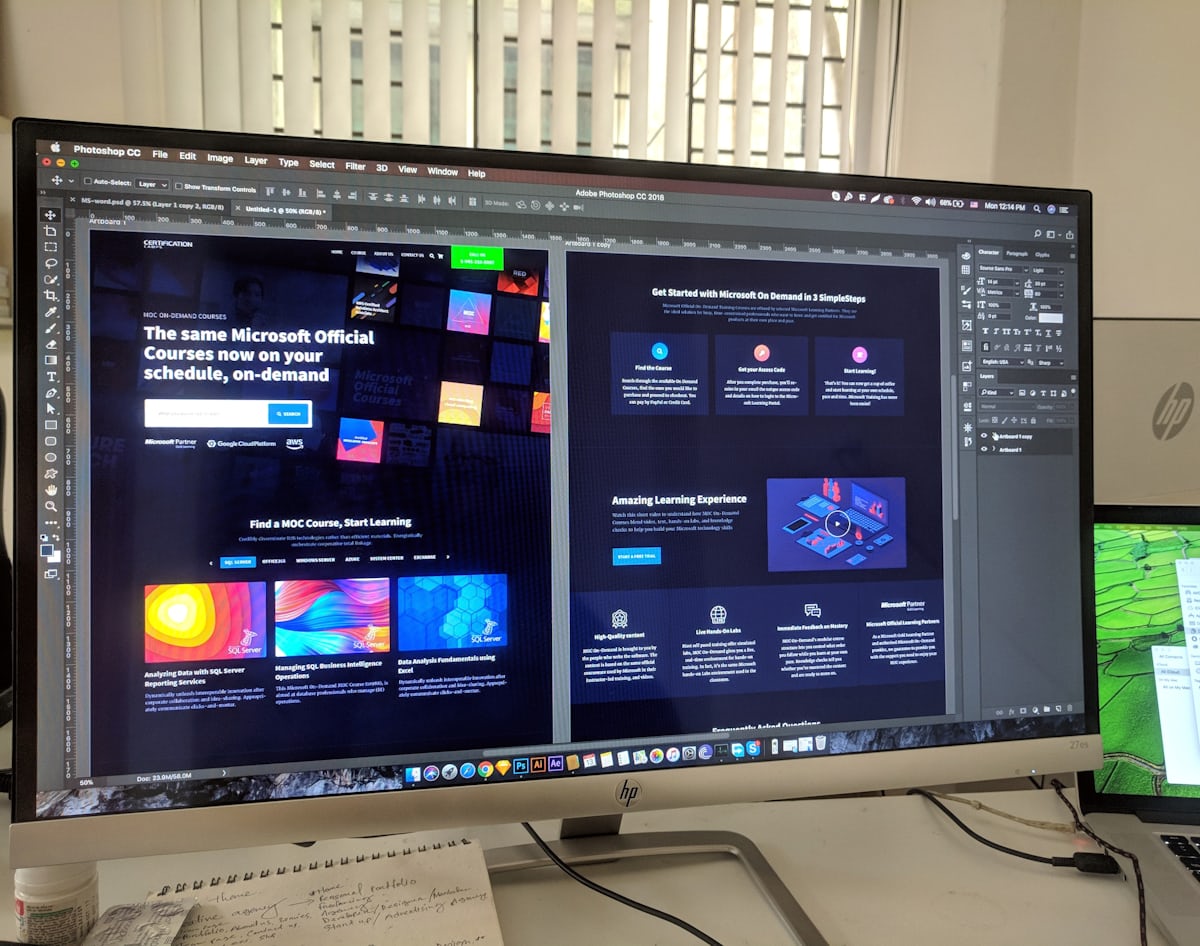
The most expensive mistakes in product development are the ones discovered after code is written. Wireframing and prototyping exist to catch flow, hierarchy, and usability problems while they're still cheap to fix — a redrawn wireframe costs minutes; a rebuilt feature costs sprints.
We match fidelity to the decision at hand: quick low-fidelity wireframes for early flow validation, and detailed interactive prototypes when a decision needs real user testing before development commits resources.
A complete set of capabilities covering strategy, execution, and ongoing optimisation.
Fast, structural wireframes used to validate information architecture and user flow before visual design begins.
Clickable, high-fidelity prototypes in Figma that simulate real interactions for stakeholder review and user testing.
Structuring navigation, content hierarchy, and page relationships so the product's logic makes sense to users.
Moderated and unmoderated testing sessions on prototypes to validate flows before development investment.
Establishing reusable components and patterns during prototyping so the eventual build stays consistent.
Wireframes and prototypes built across mobile, tablet, and desktop breakpoints from the earliest stage.
Design and testing tools that keep prototypes fast to iterate and easy to validate.
Four disciplined phases that keep quality high without slowing things down.
We map user goals and existing flows to understand exactly what needs validating before we start wireframing.
Quick wireframes validate layout, hierarchy, and flow logic before any visual design investment.
Wireframes evolve into clickable, high-fidelity prototypes ready for stakeholder review or user testing.
Usability testing informs final refinements, then developer-ready specs are handed off for build.
Familiarity with the tools isn't the same as mastery — here's what separates our work.
Wireframes and prototypes are built to be redrawn quickly — cheap iteration is the entire point of this stage.
We don't over-polish early exploration or under-invest in prototypes that need real user testing.
Prototypes are built with reusable patterns in mind, so the eventual design system has a head start.
Validated prototypes come with specs, states, and interaction notes your dev team can build from directly.