
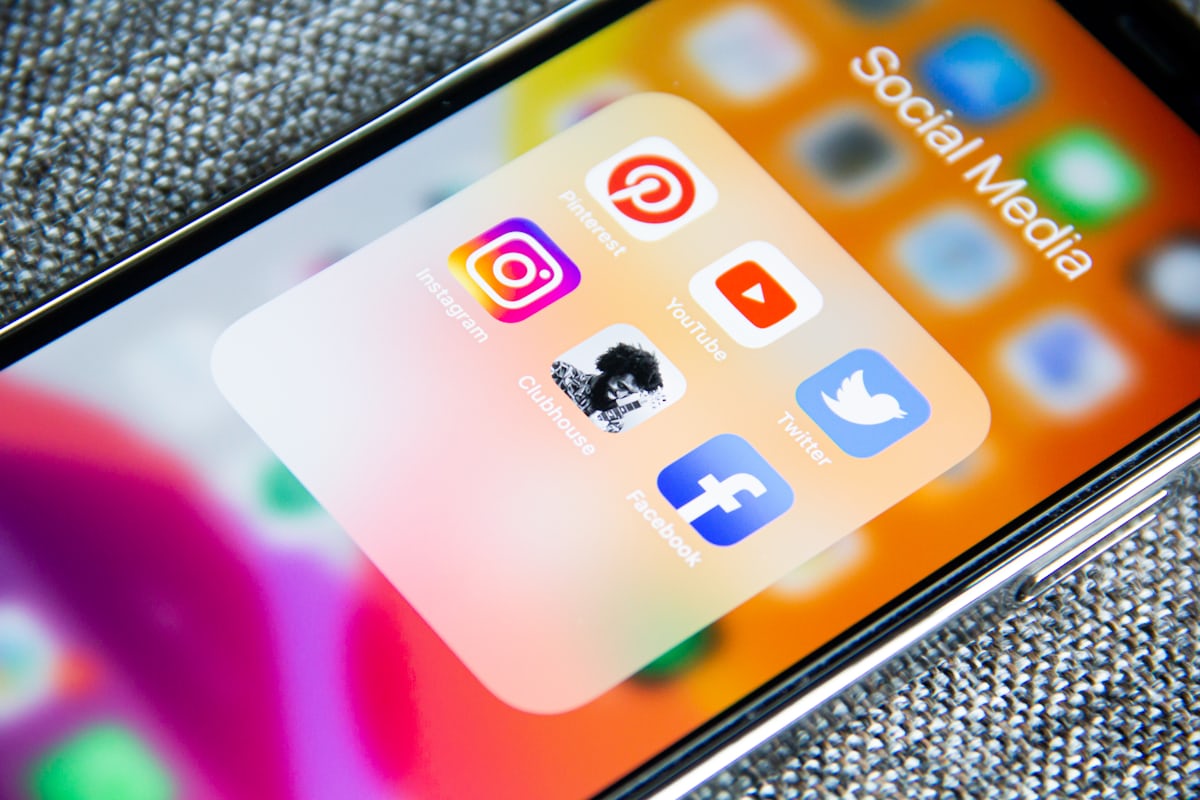
Social media remains one of the most effective levers for building brand awareness and driving sales, but the businesses that consistently win on these platforms aren't necessarily the ones posting the most — they're the ones posting with a plan. A clear content strategy, backed by an actual calendar, is what turns scattered posting into a system that compounds over time.
This guide walks through a complete framework for building a social media content plan in 2025: researching your audience, setting goals, structuring a calendar, choosing formats that perform, and refining the approach as real data comes in.
Why Bother Planning Content at All
A content plan is simply a structured map for what you post, when, and why. It exists to keep your output consistent, relevant, and aligned with actual business goals rather than reactive guesswork. The payoff shows up in a few concrete ways:
- Efficiency: Planning ahead removes the daily scramble to figure out what to post.
- Brand consistency: A plan keeps your voice and visual identity unified across every post.
- Sharper targeting: Content built around a known audience performs measurably better than generic posting.
- Stronger results: Planned content reliably drives more engagement, traffic, and conversions than ad-hoc posting.
A retail brand launching a summer collection can map out the entire season in advance — new arrival reveals, behind-the-scenes footage, and customer testimonials — instead of deciding what to post each morning.
Building the Plan: A Practical Framework
1. Understand Your Audience
Every effective content plan starts with a clear picture of who you're actually talking to — age range, interests, location, income level, and platform habits all shape what will land.
A fitness brand targeting young professionals might concentrate on Instagram and TikTok, leaning into workout tips and motivational content rather than spreading thin across every platform.
2. Set Specific Goals
Vague intentions don't translate into a plan. Common, measurable objectives include growing brand awareness, driving traffic, generating leads, or lifting engagement.
A local bakery might aim for a 20% increase in Instagram followers over three months by posting daily content built around new recipes and customer reviews.
3. Study the Competition
Looking at what competitors post — and how often, and how well it performs — surfaces patterns worth testing in your own strategy. Tools like BuzzSumo or SEMrush can help surface their top-performing content.
A fashion retailer might notice that competitors' user-generated content consistently drives stronger engagement, and decide to build a similar strategy of their own.
4. Audit What You Already Have
Before creating from scratch, review existing assets — blog posts, videos, infographics — that could be reshaped into new formats.
A detailed skincare blog post can become an Instagram carousel breaking down the same tips, or a short TikTok walkthrough.
5. Plan New Content Creation
Alongside repurposed material, build a steady stream of fresh content using accessible design tools like Canva or Adobe Express. Two approaches worth building in: encouraging user-generated content, and partnering with relevant influencers for wider reach.
A travel agency might invite customers to share trip photos tagged with the brand, with a chance to be featured on the official page.
6. Build an Actual Calendar
A content calendar is where the plan becomes executable — post dates, platform-specific formats, captions, and hashtags all mapped out in advance. Trello, Hootsuite, and Buffer are all solid options for organizing and scheduling this work.
Promotional content might cluster in the first week of the month, with educational content filling the remaining weeks.
7. Track Performance and Adjust
None of this is set-and-forget. Monitor likes, shares, comments, and click-through rates regularly, and let that data steer what you prioritize next.
If Reels consistently outperform static posts, that's a clear signal to weight future content more heavily toward video.
A content plan isn't a rigid script — it's a structure flexible enough to keep adjusting as your own data tells you what's actually working.
Nepras Technologies Social Media TeamContent Formats Worth Prioritizing
Educational Posts
Sharing genuinely useful tips, tutorials, or industry insights builds authority and gives followers a reason to keep following beyond promotional content. A beauty brand, for instance, might post skincare routines tailored to different skin types.
Authentic Behind-the-Scenes Content
Showing the day-to-day reality of running the business humanizes the brand — a coffee shop filming baristas crafting signature drinks tends to land better than polished product shots alone.
Interactive Content
Polls, quizzes, and Q&A sessions invite direct participation rather than passive scrolling. A clothing brand asking followers to vote between outfit styles is a simple, low-effort way to boost engagement.
User-Generated Content
Featuring content your own customers create builds trust faster than brand-produced content alone. A fitness app reposting users' progress photos is a clear example of this in action.
Going Deeper on Interactive Content
Beyond the basics, a few specific formats consistently drive stronger participation:
- Polls and quizzes via Instagram Stories or LinkedIn polls turn passive viewers into active respondents.
- Live sessions let you answer real customer questions in real time, building trust through visible responsiveness.
- Contests and challenges incentivize sharing, which extends reach organically beyond your existing followers.
Working Seasonal Moments Into the Plan
Tying content to relevant holidays, events, or seasonal shifts gives followers an easy, timely reason to engage. The approach is straightforward: identify the dates that matter to your audience ahead of time, design content around the season's themes and colors, and use trending seasonal hashtags to extend visibility.
A coffee shop might share festive drink recipes during the winter holidays, paired with hashtags like #WinterWarmers or #HolidayCheer.
What Makes Content Feel Creative Rather Than Generic
- Lean into storytelling — narratives that connect emotionally outperform purely informational posts.
- Adapt relevant trends to fit your brand voice rather than chasing every viral moment.
- Prioritize visuals — strong photography or video is what stops the scroll in the first place.
- Partner with influencers whose audience genuinely overlaps with yours.
A pet supply brand collaborating with a popular pet influencer can showcase products in a way that feels native rather than promotional.
Tailoring Content to Each Platform
What performs on one platform often falls flat on another, so the same core message usually needs reshaping rather than copy-pasting:
- Instagram: High-quality visuals, with Stories used for behind-the-scenes moments.
- Facebook: Longer-form posts, infographics, and live video for direct engagement.
- LinkedIn: Professional updates, articles, and industry insight rather than casual content.
- Twitter/X: Concise, conversation-starting text paired with relevant hashtags.
- TikTok: Short, trend-aware video built for quick consumption.
A restaurant might post recipe videos on TikTok while sharing customer reviews and promotions on Facebook — same brand, different formats for different audiences.
Why Branding Discipline Matters Here
A recognizable visual and tonal identity is what makes a brand memorable across a feed full of competing content. That means a consistent color palette, typography, and logo usage, a brand voice that reflects your actual values, and templates for recurring post types like announcements or promotions.
A tech startup that consistently uses a single signature color across every post reinforces brand recall far more effectively than visually inconsistent content.
Done consistently, branding pays off in a few clear ways: stronger recall, a more professional impression, and clearer differentiation from competitors posting similar content.
Reading Your Analytics Properly
A content plan only improves if you actually use the data it generates. The core loop: track engagement (likes, shares, comments, views), monitor reach, identify which formats consistently outperform others, and adjust the plan accordingly. Native tools — Google Analytics, Instagram Insights, Facebook Business Manager — cover most of what's needed here.
If video consistently outperforms static image posts across several months of data, that's a clear signal to shift more production resources toward video.
Getting More Mileage Out of What You've Already Made
Repurposing isn't a shortcut — it's a legitimate strategy that extends the value of content you've already invested in creating. A few practical approaches:
- Turn blog posts into video by summarizing key points for Instagram or YouTube.
- Build infographics from data already published in long-form articles.
- Compile highlight reels from past top-performing posts into a "best of" carousel or Story.
A tech brand might turn a blog post about the latest gadgets into a short video series highlighting individual product features.
Bringing It Together
None of this requires a massive team or budget — it requires a structured, consistent approach. A working content plan, built around real audience insight and refined by actual performance data, is what separates brands that build lasting digital presence from ones posting into the void.
Frequently Asked Questions
Consistency matters more than raw volume. A reasonable starting point is 3-5 times a week on Instagram, daily on Twitter/X, and 3-4 times a week on Facebook — then adjust based on what your own analytics show is actually working for your audience.
Design tools like Canva and Adobe Express speed up content creation with ready-made templates, while scheduling tools like Trello, Hootsuite, and Buffer help organize and automate publishing across multiple platforms.
Yes — content should be adapted to each platform's format and audience expectations rather than posted identically everywhere. The underlying message can stay consistent while the format, length, and tone shift to fit the platform.
A content calendar saves time, keeps posting consistent, and ensures every piece of content ties back to a clear business goal instead of being created and published reactively, day to day.