
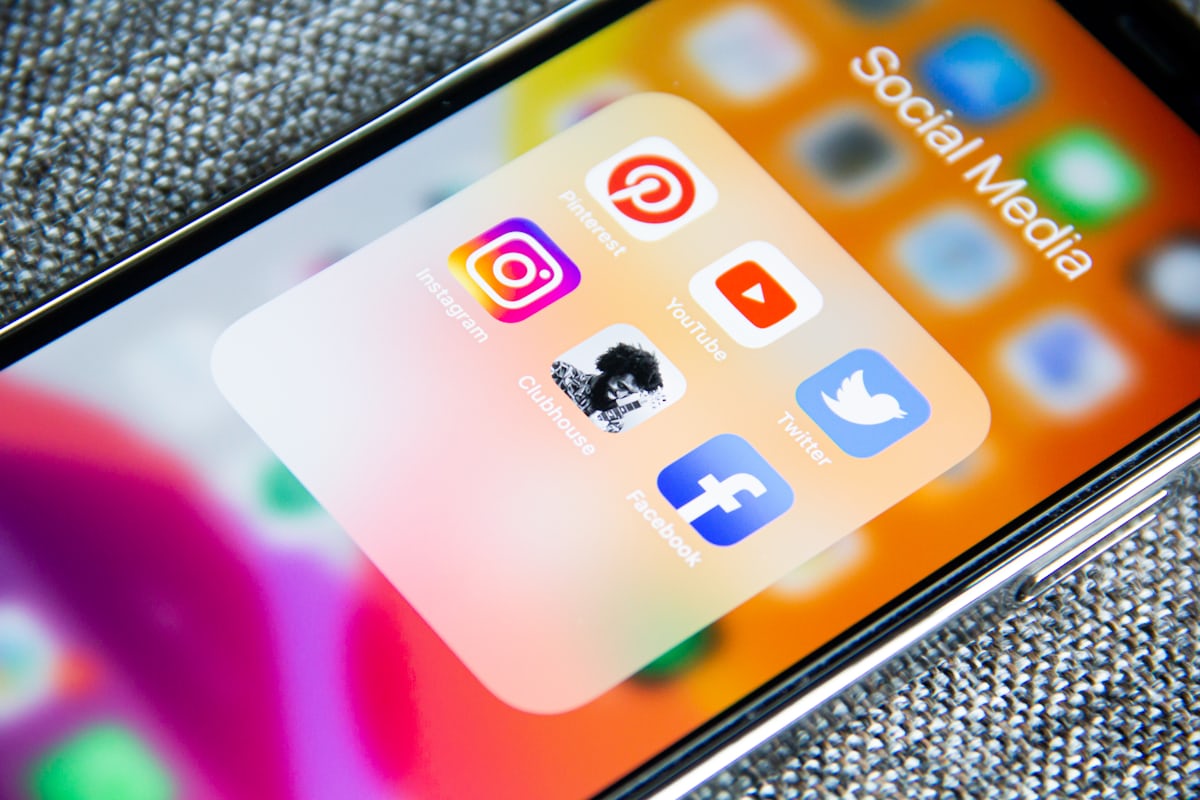
From a handicraft seller in Old Delhi to a fast-growing eCommerce label in Bengaluru, Indian businesses of every size are now treating social media as a core growth channel rather than a side project. It has become one of the fastest ways to reach customers directly, build trust, and turn attention into sales.
This guide walks through what social media marketing really involves, the channels worth investing in, the advantages it brings to Indian businesses specifically, and a practical framework for building a strategy that actually moves the needle in 2025.
What Social Media Marketing Actually Involves
Choosing a platform is rarely the hard part — most brands already know Instagram, Facebook, LinkedIn, and YouTube are where their audience spends time. The real work is deciding how to show up there: what to post, how to respond to your community, when to invest in paid promotion, and how to measure whether any of it is working.
Done well, social media marketing blends storytelling, customer service, and performance advertising into a single, ongoing conversation between a brand and the people it wants to reach.
The Core Channels Worth Understanding
Content Marketing
Organic content — blog-style posts, short videos, carousels, and reels — earns attention without a media spend, building familiarity over time.
Paid Advertising
Targeted campaigns on Instagram, Facebook, and LinkedIn let brands reach specific audiences by location, interest, or behaviour, with results that are far easier to measure than traditional advertising.
Influencer Partnerships
Collaborating with creators — at the macro, micro, or nano level — gives brands access to an audience that already trusts the influencer's voice. This approach has proven especially effective in tier 1 and tier 2 Indian cities.
Contests and Giveaways
Well-run contests boost engagement and follower growth quickly, and they tend to work particularly well for D2C and lifestyle brands looking to widen their reach.
Social Commerce
In-app shopping through Instagram and Facebook Shops continues to gain traction among urban Indian consumers, shortening the path from discovery to purchase.
Why It's Worth the Investment
- Lower cost than traditional media — small and growing businesses can build real visibility without the budgets that TV or print advertising demand.
- Real-time customer engagement — direct messages, comments, and quick responses build stronger relationships than one-way advertising ever could.
- Stronger brand recall — consistent presence keeps a business top of mind when a customer is finally ready to buy.
- Traffic to your website or store — well-placed calls to action in posts and stories funnel interested users straight to where they can convert.
- Indirect SEO benefits — shares and active engagement support overall brand visibility, which can complement search rankings.
- Clear performance data — reach, engagement, and audience insights make it possible to refine a strategy based on evidence rather than guesswork.
Social media isn't just a place to post — for Indian businesses, it's increasingly where the first impression, the customer conversation, and the sale itself all happen.
Nepras Technologies Social Media TeamWhy Social Media Carries Extra Weight in India
India's social media landscape has a few characteristics that make this channel particularly powerful for local businesses:
- A massive, growing audience — internet usage continues to climb across the country, with hundreds of millions already active on social platforms.
- A mobile-first audience — most users access social media primarily through their phones, which makes mobile-friendly content non-negotiable.
- Deep cultural and linguistic diversity — content built around regional languages connects far more effectively than a one-size-fits-all approach.
- Strong trust-building potential — an active, responsive social presence reassures buyers who are still deciding whether to trust a brand.
What Results Can Look Like
Real-world outcomes vary by industry, but a few patterns are common across Indian brands that invest consistently in social media:
D2C and Fashion Brands
Brands leaning into influencer collaborations and short-form video content have grown their follower base substantially within months, with that visibility translating directly into higher online sales.
Local Food and Hospitality Businesses
Geo-targeted advertising paired with behind-the-scenes content — kitchens in action, daily specials, staff stories — has helped small outlets meaningfully grow foot traffic.
Education and EdTech Platforms
Carousels explaining concepts, paired with live sessions on LinkedIn or YouTube, have positioned smaller education brands as credible voices in their space, which in turn improves lead quality and conversion.
Using Hashtags the Smart Way
Hashtags remain one of the simplest ways to extend reach beyond your existing followers, but only when used with intention.
- Go niche, not generic — a tag like #OrganicSkincareIndia will outperform something broad like #love or #fun every time.
- Build a branded hashtag — it encourages customers to tag your business in their own content, generating free, authentic visibility.
- Track what's trending in your category and region — relevance matters more than volume.
- Keep it tight — five to ten well-chosen hashtags consistently outperform a scattershot list of thirty unrelated ones.
What a Social Media Agency Typically Handles
As a business scales, managing everything in-house often becomes a bottleneck. A social media agency typically takes over functions such as:
- Building and maintaining a content calendar
- Planning and running paid campaigns
- Sourcing and managing influencer partnerships
- Tailoring content and posting strategy by platform
- Tracking performance metrics and reporting results
Most startups and small businesses start out managing social media themselves and gradually bring in outside expertise as the workload — and the stakes — grow.
Building Your Strategy, Step by Step
Step 1: Define Your Ideal Customer
Get specific about age, location, interests, and buying behaviour rather than targeting "everyone."
Step 2: Pick the Right Channels
Maintaining a presence everywhere wastes time and budget. Focus where your audience already is — Instagram for younger, visually-driven audiences, Facebook for family-oriented shoppers, LinkedIn for B2B relationships.
Step 3: Set Measurable Goals
A target like "grow engagement by 30% in three months" gives a strategy direction and makes success easy to track.
Step 4: Build a Content Calendar
Mix value-driven posts, tutorials, behind-the-scenes content, and user-generated material to keep the feed varied and engaging.
Step 5: Track the Right KPIs
Use native analytics tools — Meta Business Suite, LinkedIn Analytics — to monitor engagement and campaign returns, then adjust based on what the data shows.
Trends Shaping Social Media in 2025 and Beyond
- Short-form video keeps dominating — reels, shorts, and live streams continue to drive the bulk of organic engagement.
- AI-assisted strategy — from content ideation to performance forecasting, AI tools are increasingly part of the planning process.
- Regional language content — Hindi, Tamil, Bengali, and other regional languages are becoming central to reaching audiences beyond metro cities.
- Active social listening — brands are tracking conversations in real time to catch trends, complaints, and opportunities as they happen.
Bringing It All Together
Social media marketing has moved far beyond simply posting photos or running the occasional ad. For Indian businesses of every size, it's now a core driver of visibility, customer engagement, and growth — when it's approached with a clear strategy rather than guesswork.
From choosing the right channels and crafting a focused hashtag approach to building genuine community and measuring what's working, social media marketing offers a creative, scalable way to grow a brand. Businesses that treat it as an ongoing discipline — not a one-off campaign — are the ones that see compounding results over time.
Frequently Asked Questions
Social media marketing is the practice of using platforms like Instagram, Facebook, LinkedIn, and YouTube to promote a brand, engage with customers, and drive sales through content, advertising, and community building.
The right platform depends on the audience: Instagram works well for younger, visually-driven audiences, Facebook reaches family and value-conscious shoppers, and LinkedIn is best suited for B2B brands and professional services.
Organic social media marketing can start at no cost beyond time invested, while paid campaigns are flexible and can be scaled from small daily budgets to large enterprise spends depending on goals and competition.